Learn how long it takes to sell a home in Lehigh Valley, PA, including timelines from listing to closing and what can affect your sale.
What Should I Fix Before Selling My Home in Lehigh Valley, PA?
If you’re getting ready to sell your home, one of the first questions that usually comes up is:
“What should I fix before I list it?”
It’s a smart question, but it’s also where many Sellers start to feel overwhelmed. Because once you start looking around your home, it’s easy to think:
“There’s a lot I could do.”
And suddenly, what started as a simple idea turns into a mental checklist of projects, updates, and expenses.
Some Sellers go down the path of trying to fix everything. Others avoid doing anything at all because they don’t know where to start. Neither approach leads to the best outcome.
The goal is not to make your home perfect. The goal is to make your home feel like an easy, confident decision for a Buyer. And once you understand that difference, it becomes much easier to decide what actually matters.
The Real Goal: Remove Buyer Doubt
Every Buyer who walks into your home is evaluating more than just the layout and features. They are asking themselves:
“Does this home feel safe, cared for, and worth the price?”
If the answer is “yes,” they move forward.
If the answer is “I’m not sure,” they hesitate.
And hesitation is what slows down your sale.
Most of the time, Buyers are not walking away because of one major issue.
They are walking away because of a collection of small concerns that add up.
Your job as a Seller is to remove as many of those concerns as possible before your home hits the market.
Start With the Fundamentals First
Before you think about upgrades, renovations, or spending money, focus on the basics.
These are the things that consistently make the biggest difference.
Deep Cleaning
A truly clean home feels completely different.
It tells Buyers:
This home has been cared for
This home has been maintained
This home is ready for someone new
Focus on:
Floors
Bathrooms
Kitchen surfaces
Windows
Baseboards
When everything feels clean, Buyers are more comfortable moving forward.
Decluttering and Simplifying
Space matters.
But more importantly, the feeling of space matters.
When a home is cluttered, it feels smaller, busier, and harder to imagine living in.
When it is simplified, it feels:
More open
More inviting
More livable
You are not trying to show off your belongings. You are trying to allow Buyers to picture their own life in the space. So, while you are decluttering, you also should be focused on de-personalizing your space and removing family pictures so Buyers can see themselves in your home (they wouldn’t would have pictures of your and your family in their home).
Minor Repairs That Add Up
Small issues can quietly create big concerns.
Things like:
Dripping faucets
Loose door handles
Chipped paint
Squeaky doors
Cracked outlets
Individually, they seem minor.
But together, they create a sense that the home has not been fully maintained.
And that leads Buyers to wonder:
“What else might be wrong?”
Fixing these small items is one of the easiest ways to build confidence.
Paint: The Simplest Way to Transform a Space
If there is one improvement that consistently delivers value, it is paint.
Fresh, neutral paint can:
Brighten a room
Make the home feel newer
Appeal to a wider range of Buyers
You don’t need bold or trendy colors.
You want consistency and simplicity.
Think:
Light neutrals
Clean finishes
Cohesive flow from room to room
Paint is relatively low-cost, but it has a major visual impact.
Kitchens and Bathrooms: Focus on Feel, Not Full Renovation
These rooms matter.
But that does not mean you need to invest in a full remodel.
Most Buyers are not expecting a brand-new kitchen or bathroom.
They are looking for spaces that feel:
Clean
Functional
Well maintained
Simple improvements can go a long way.
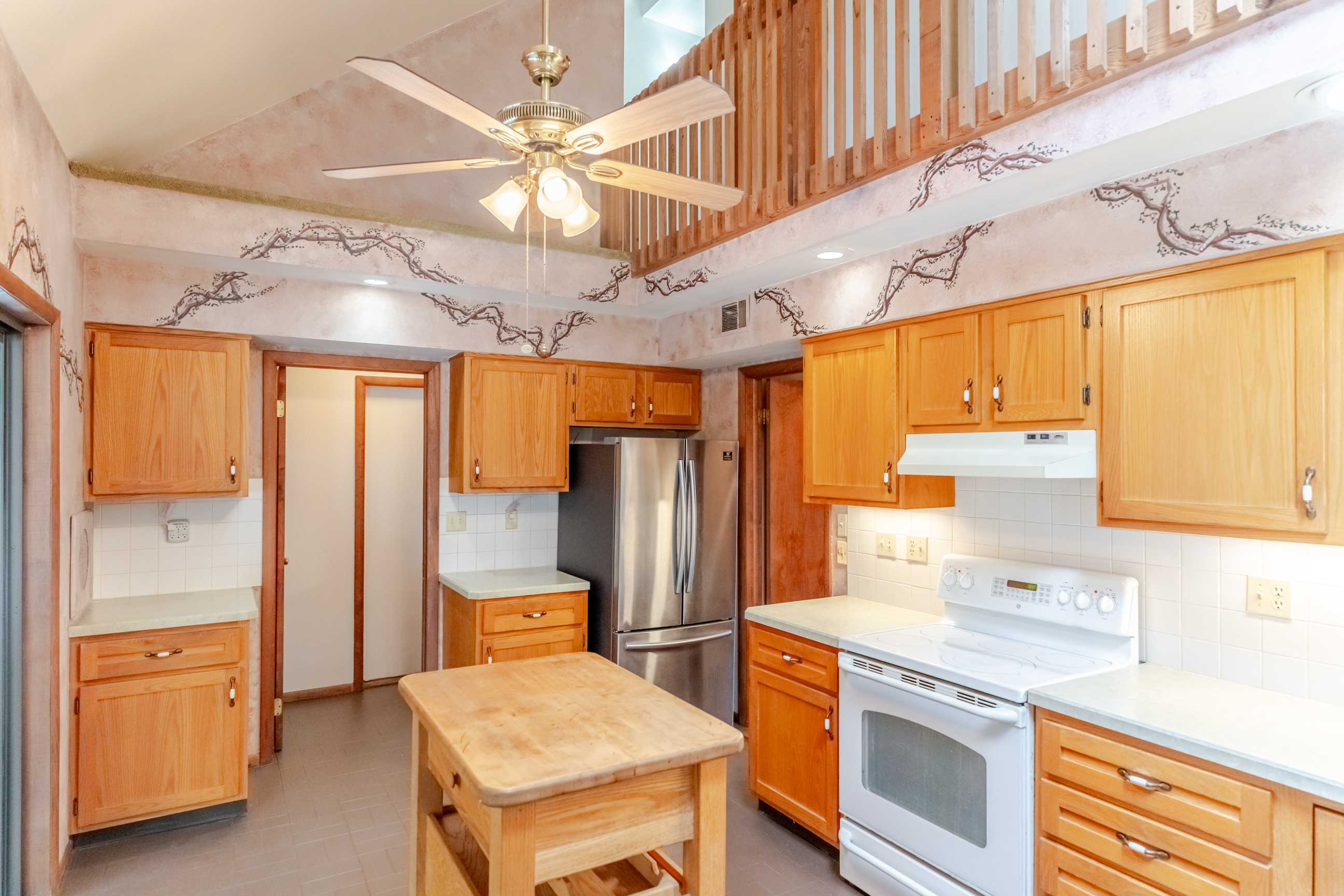
Kitchen Improvements
Instead of a full renovation, consider:
Updating cabinet hardware
Replacing outdated lighting
Deep cleaning appliances
Refreshing caulking
These changes help modernize the space without a major investment.
Bathroom Improvements
In bathrooms, focus on:
Cleanliness
Fresh fixtures
Updated lighting
New caulking
A bathroom that feels clean and fresh is far more important than one that is fully remodeled.
Curb Appeal: Setting the Tone Before They Walk In
First impressions matter more than most Sellers expect.
Before a Buyer even enters your home, they are forming an opinion.
Simple improvements can make a big difference:
Mowing the lawn
Trimming landscaping
Cleaning walkways
Refreshing the front door
You are not trying to impress with complexity.
You are trying to create a welcoming, cared-for first impression.
What This Looks Like in Real Life
Let’s say you’re preparing a home in Bethlehem.
You have two approaches.
Option 1:
Spend $30,000 on major upgrades
New kitchen finishes
Full cosmetic overhaul
Option 2:
Spend $5,000–$7,000 on:
Paint
Cleaning
Minor repairs
Light updates
In many cases, Option 2 produces:
Strong Buyer interest
Faster showings
Competitive offers
Because the home feels right without over-improving.
What Happens If You Fix the Wrong Things
This is where many Sellers lose money.
They focus on:
Big upgrades
Personal preferences
Projects that don’t impact Buyer perception
And they overlook:
Small issues
Presentation
Overall feel
The result is:
Higher expenses
Longer preparation time
Little to no return on investment
Fixing the wrong things is often more costly than fixing nothing at all.
When Bigger Repairs Matter
There are situations where more significant fixes are necessary.
If your home has:
Roof issues
Electrical concerns
Plumbing problems
Structural damage
These can impact:
Buyer confidence
Inspection results
Financing approval
In these cases, you have options:
Address the issue upfront
Price accordingly
Offer credits during negotiation
The key is being aware and strategic.
What Buyers Actually Care About
Buyers are not walking through your home with a contractor mindset.
They are thinking:
Can I live here comfortably?
Will this be an easy transition?
Does this feel like a good decision?
When your home feels clean, well maintained, and move-in ready, you remove friction from that decision.
Common Mistakes Sellers Make
Sellers often:
Try to fix everything
Spend too much on upgrades
Ignore small but visible issues
Delay listing trying to “perfect” the home
These decisions can cost both time and money.
The Smart Approach Moving Forward
Instead of guessing, the best approach is to:
Focus on high-impact improvements
Avoid unnecessary spending
Prepare your home with intention
When you do that, you create a stronger first impression and a smoother selling process.
What This Process Looks Like for Sellers in the Lehigh Valley
One of the most helpful ways to think about preparing your home is to look at how it actually plays out for Sellers in real situations.
Most Sellers do not start with a perfectly updated home.
They start with a home that has been lived in.
That means:
Normal wear and tear
A few outdated finishes
Some small repairs that have been put off
And that is completely normal.
The goal is not to erase the fact that the home has been lived in.
The goal is to present it in a way that feels intentional and well cared for.
For example, a Seller in Allentown might have:
A kitchen that is slightly dated
Bathrooms that are functional but not modern
Walls that have a few scuffs or marks
Instead of investing tens of thousands of dollars into full renovations, a more effective approach would be:
Painting the walls in a clean, neutral color
Updating light fixtures and hardware
Deep cleaning every surface
Fixing minor issues that are immediately noticeable
This transforms the way the home feels without dramatically increasing the cost.
Buyers walking through that home are far more likely to think:
“This feels clean, this feels easy, I can work with this.”
That reaction is what drives offers.
The Emotional Side of Buyer Decision-Making
This is something many Sellers underestimate.
Buyers are not making purely logical decisions.
They are emotional decisions supported by logic.
That means how your home feels matters just as much as how it functions.
When Buyers walk into a home that feels:
Bright
Clean
Open
Maintained
They relax.
And when they relax, they are more likely to picture themselves living there.
On the other hand, when a home feels:
Cluttered
Dim
Unfinished
Neglected
Buyers become cautious.
Even if the issues are small, the emotional response is strong.
That hesitation can be the difference between an offer and a missed opportunity.
Why “Good Enough” Is Often the Best Strategy
One of the hardest things for Sellers to accept is that their home does not need to be perfect to sell well.
In fact, trying to make it perfect can sometimes work against you.
Perfection is expensive.
And in many cases, Buyers would prefer to make their own updates over time rather than pay a premium for someone else’s choices.
A home that is:
Clean
Functional
Well presented
Is often more appealing than one that has been heavily customized right before listing.
This is where the concept of “good enough” becomes powerful.
Not in a careless way.
But in a strategic way.
You are doing enough to create confidence without over-investing in areas that may not return value.
The Balance Between Time, Money, and Outcome
Every decision you make before listing your home comes down to three things:
Time
Money
Outcome
If you spend too much time preparing, you delay your listing.
If you spend too much money, you reduce your net profit.
If you skip preparation entirely, you risk a slower sale and lower offers.
The goal is to find the balance.
That usually looks like:
A short preparation window
A focused list of improvements
A clear understanding of what matters most
When those pieces come together, you create a situation where your home can enter the market strong and generate the kind of response you want.
FAQ
Do I need to fix everything before selling?
No. Focus on improvements that impact how Buyers perceive the home.
What should I prioritize?
Cleanliness, minor repairs, and overall presentation.
Should I renovate my kitchen or bathroom?
Usually not. Light updates are more effective.
Will Buyers notice small issues?
Yes. Small issues can create doubt and hesitation.
Is it better to sell as-is?
Sometimes, but even small improvements can increase your outcome.
Final Thoughts
Preparing your home for sale is not about perfection. It is about positioning. When your home feels clean, cared for, and easy to move into, Buyers respond differently.
They:
Feel more confident.
Move faster.
Are often willing to pay more.
The key is knowing where to focus your time and energy.
When you get that part right, everything else becomes much easier.
Tara Roy
Realtor – Lehigh Valley, PA
www.tarawillmoveyou.com
917.626.9065